
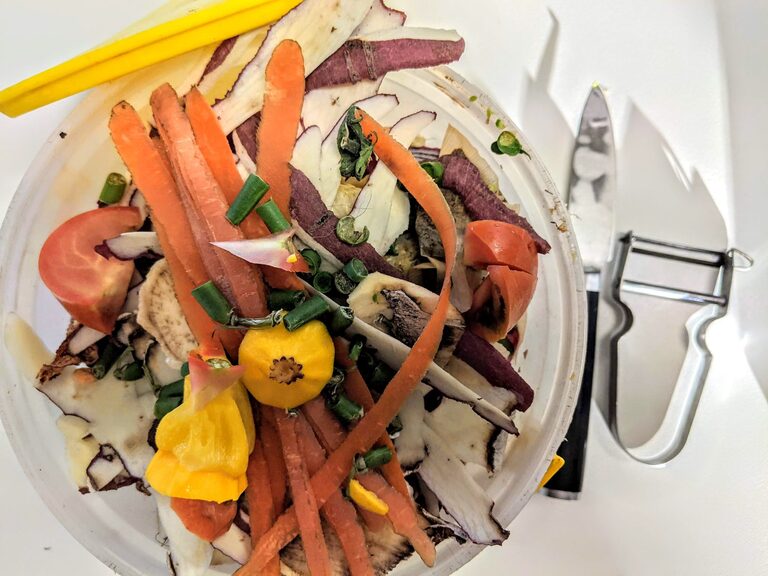
Reducing food waste at home is not only good for the environment, but it can also help you save money and make your kitchen more efficient. Every year, millions of tons of food are thrown away, often because of simple habits or lack of planning. By adopting a few practical strategies, you can contribute to a more sustainable lifestyle while enjoying fresher meals and less clutter.
In this post, we’ll explore a variety of ways you can reduce food waste, from smarter shopping and storage to creative cooking ideas.
Why Reducing Food Waste Matters
Food waste has a significant impact on the environment. When food ends up in landfills, it produces methane gas, a potent greenhouse gas contributing to climate change. Additionally, wasting food means wasting all the resources used to produce it, such as water, energy, and labor.
At the personal level, reducing food waste means stretching your grocery budget further and having a more organized kitchen.
1. Plan Your Meals and Shop Wisely
Make a Weekly Meal Plan
Planning your meals ahead of time helps you buy only what you need. Take a moment each week to decide what you want to cook for breakfast, lunch, and dinner. This reduces impulse buys and last-minute trips to the store.
Create a Shopping List
Based on your meal plan, write a detailed shopping list. Stick to the list to avoid buying excess or unnecessary items that may end up wasted.
Shop Smartly
– Avoid shopping when you’re hungry, as it may lead to overbuying.
– Check your pantry and fridge before shopping to use what you already have.
– Buy loose fruits and vegetables when possible, so you can purchase the exact amount you need.
2. Store Food Properly to Extend Freshness
Understand Storage Basics
Different foods require different storage methods to stay fresh longer. Here are some quick tips:
– Keep leafy greens in airtight containers with a paper towel to absorb moisture.
– Store tomatoes at room temperature away from direct sunlight.
– Keep bananas separate from other fruits to prevent premature ripening.
– Use clear containers to organize your fridge — this makes it easier to see what you have.
Use Freezing to Your Advantage
Freezing is a great way to save food that you won’t use immediately.
– Freeze bread, fruits, and cooked meals in portion sizes.
– Label packages with the date so you can use older items first.
3. Use Leftovers Creatively
Instead of tossing leftovers, try turning them into new meals or ingredients.
Ideas for Leftover Meals
– Turn roasted vegetables into soups or sauces.
– Use leftover rice or grains to make stir-fries or salads.
– Repurpose stale bread into croutons or bread pudding.
Store Leftovers Safely
– Cool leftovers quickly before refrigerating.
– Use airtight containers to maintain freshness.
– Consume leftovers within 3-4 days to ensure safety.
4. Understand Expiration Dates
Many people throw away food based on “sell by” or “best before” dates, but these labels don’t always mean the food is unsafe to eat.
– “Sell by” indicates how long stores should display the product.
– “Best before” refers to peak quality, not safety.
Learn to use your senses — smell, look, and taste — to decide if food is still good. When in doubt, consult reliable food safety resources.
5. Compost Food Scraps
Even with the best efforts, some food waste is unavoidable, like peels and cores. Composting is an eco-friendly way to handle these scraps.
Starting a Compost Bin
– Use a dedicated bin or pile in your backyard.
– Include fruit and vegetable scraps, coffee grounds, and eggshells.
– Avoid meat, dairy, and oily foods that attract pests.
Composting reduces landfill waste and creates nutrient-rich soil for gardening.
6. Practice Portion Control
Serving the right amount helps reduce uneaten food going to waste.
– Use smaller plates to control portion sizes.
– Encourage family members to serve themselves to take only what they can eat.
– Save extra portions for later meals instead of throwing them away.
7. Preserve Food Through Pickling and Canning
If you have an abundance of certain fruits or vegetables, preserving them can extend their usability.
– Pickling cucumbers, peppers, or carrots adds flavor and longevity.
– Canning fruits or sauces can save seasonal produce for months.
These methods require some preparation but can be rewarding and reduce waste.
8. Educate Your Household
Finally, involve everyone in your home in waste reduction efforts.
– Teach children about the importance of not wasting food.
– Share tips on how to store and use leftovers.
– Encourage open communication about what needs to be used soon.
Conclusion
Reducing food waste at home is easier than it may seem. By planning your meals, shopping smartly, storing food properly, and getting creative with leftovers, you can make a positive difference. Composting and preserving food are additional ways to manage scraps and excess produce. Together, these habits can save you money, reduce your environmental impact, and create a healthier, more sustainable kitchen routine.
Start with small changes and build momentum — every bit counts!