
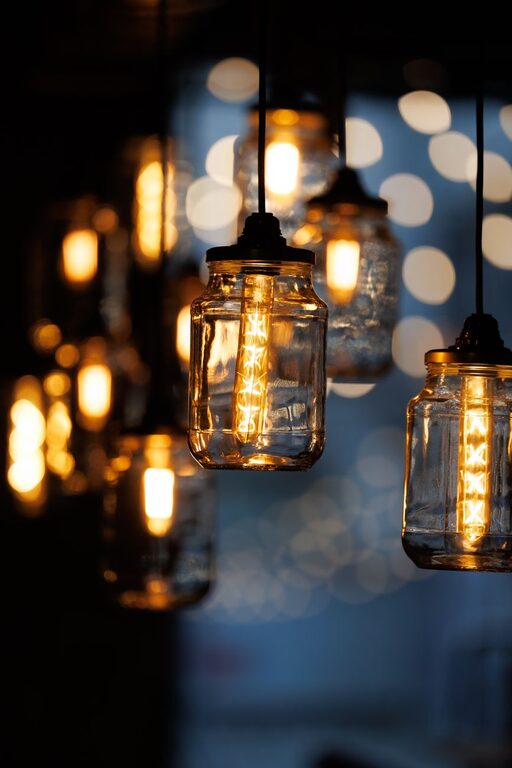
Creating a comfortable and inviting atmosphere in your home often starts with the right lighting. Good lighting doesn’t just brighten a room—it affects your mood, productivity, and overall comfort. Whether you’re redesigning a living room or upgrading your kitchen lights, choosing the right lighting can make a significant difference.
In this post, we’ll explore practical tips to help you select comfortable home lighting that suits your space and lifestyle.
Why Comfortable Lighting Matters
Lighting impacts how we perceive a space and how we feel within it. Bright, harsh lights can cause eye strain and discomfort, while too-dim lighting may leave you feeling sleepy or unmotivated. Comfortable lighting strikes a balance—providing enough illumination for tasks while creating a pleasant ambiance.
Understanding Different Types of Lighting
To choose the best lighting, it’s helpful to know the common types of lighting and their purposes:
– Ambient lighting: The general, overall light in a room that provides uniform illumination.
– Task lighting: Focused light for specific activities like reading, cooking, or working.
– Accent lighting: Decorative lighting used to highlight features such as artwork or architectural details.
Combining these layers of light creates a flexible and comfortable environment.
Tips for Selecting Comfortable Home Lighting
1. Consider Color Temperature
Color temperature is measured in Kelvin (K) and describes the warmth or coolness of light:
– Warm light (2700K–3000K): Creates a cozy, inviting atmosphere, great for living rooms and bedrooms.
– Neutral light (3500K–4100K): Balanced and natural, suitable for kitchens and bathrooms.
– Cool light (5000K–6500K): Bright and energizing, ideal for workspaces and garages.
For comfortable home lighting, opt for warmer tones in relaxation areas and neutral tones for functional zones.
2. Use Dimmers to Control Brightness
Installing dimmer switches allows you to adjust the light intensity based on your needs and time of day. Dimmable lights help reduce glare during evenings and set a calm mood, while providing full brightness when necessary.
3. Choose the Right Bulb Type
Modern lighting offers several bulb options, each with its benefits:
– LED bulbs: Energy-efficient, long-lasting, and available in various color temperatures.
– Incandescent bulbs: Warm light but less energy efficient; fewer models available today.
– CFL bulbs: More energy-efficient than incandescent but contain small amounts of mercury and need careful disposal.
LED bulbs are generally the best choice for comfortable, eco-friendly lighting.
4. Layer Your Lighting
Avoid relying on a single overhead fixture. Instead, layer ambient, task, and accent lighting to create depth and versatility:
– Use ceiling lights or wall sconces for ambient lighting.
– Add table lamps or under-cabinet lights for tasks.
– Incorporate accent lighting like spotlights or strip lights to highlight decor.
Layered lighting allows you to adapt the light to different activities and moods.
5. Mind the Placement and Direction
Where and how light is directed influences comfort:
– Position task lights so they shine directly on work areas without causing shadows or glare.
– Use indirect lighting, such as wall washers or uplights, to soften the atmosphere.
– Avoid placing lights directly in your line of sight to reduce eye strain.
Try multiple lighting arrangements before settling on the final setup.
6. Match Lighting with Interior Style
Comfortable lighting should also complement your home’s style. Choose fixtures and lampshades that fit your décor while diffusing light softly. For example, fabric shades soften light and create warmth, while glass or metal shades may produce sharper illumination.
7. Pay Attention to Light Quality
Light quality affects color rendering and overall comfort. Look for bulbs with a high Color Rendering Index (CRI), ideally above 80. High CRI bulbs show colors more accurately, enhancing the room’s visual appeal.
8. Consider Smart Lighting Solutions
Smart bulbs and lighting systems offer flexibility and convenience. You can adjust brightness, color temperature, and even schedule lighting changes via smartphone apps or voice assistants—perfect for creating comfortable lighting tailored to your daily routine.
Additional Ideas for Comfortable Lighting
– Maximize natural light: Use curtains or blinds that let in daylight while minimizing glare.
– Use soft, diffused lights: Lampshades, frosted bulbs, or lamps with diffusers reduce harsh shadows.
– Avoid flickering or buzzing lights: Flicker-free bulbs and quality dimmer switches improve comfort.
Final Thoughts
Choosing comfortable home lighting involves balancing functionality with atmosphere. By paying attention to color temperature, layering lights, using dimmers, and selecting quality bulbs, you can create a welcoming and relaxed environment tailored to your needs.
Take your time experimenting with different lighting setups to find what works best for your space. Comfortable lighting will not only enhance your home’s appearance but also improve your daily well-being.