
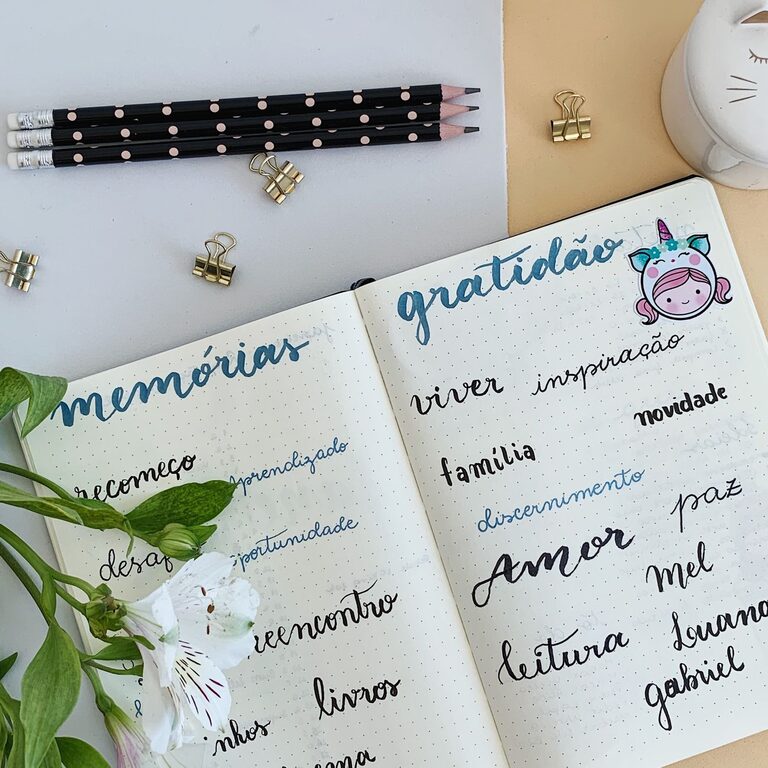
Gratitude journaling is a powerful practice that can help improve your overall well-being by shifting your focus toward the positive aspects of life. By regularly recording things you are thankful for, you can cultivate a mindset of appreciation, reduce stress, and enhance your mood. If you’re new to this habit, this guide will walk you through everything you need to know to start a gratitude journal and stick with it.
What Is a Gratitude Journal?
A gratitude journal is a personal diary where you write about things you are grateful for each day. It can be a simple notebook or a digital app—whichever format feels comfortable for you. The goal is to intentionally focus on positive moments, experiences, or people, fostering awareness of the good in your life.
Why Start a Gratitude Journal?
Research shows that practicing gratitude regularly can:
– Increase happiness and life satisfaction
– Improve sleep quality
– Reduce feelings of stress and depression
– Strengthen relationships
– Encourage mindfulness and presence
Starting a gratitude journal is an easy, low-cost way to introduce these benefits into your daily routine.
Choosing Your Gratitude Journal
Before you begin writing, decide on the format that best suits your lifestyle:
– Paper journal: A traditional notebook or a specially designed gratitude journal can make the practice more tangible and personal.
– Digital options: Apps or simple note-taking tools on your phone offer convenience and portability.
– Combination: Some people like to write by hand and then back up entries digitally.
Choose what feels most natural and accessible so you can keep the habit going.
How to Start Your Gratitude Journal
1. Set a Regular Time
Consistency is key. Choose a specific time each day to write in your journal—morning, evening, or any quiet moment. Many find that journaling before bed helps them reflect on the day’s positives and sleep better.
2. Start Small
If you’re new to journaling, begin with listing just 3 things you are grateful for each day. They can be simple, such as:
– A warm cup of coffee
– A kind word from a coworker
– A beautiful sunset
There’s no need to overthink it; the goal is to acknowledge gratitude, not to create a masterpiece.
3. Be Specific
Try to be as detailed as possible when describing what you are thankful for. Instead of writing “I’m grateful for my family,” you might write, “I’m grateful for the encouraging text my sister sent me today.”
4. Include Why You’re Grateful
Adding the reasons behind your gratitude can deepen the impact. For example, “I’m grateful for my cozy blanket because it made me feel safe and warm on a cold evening.”
5. Mix It Up
Variety keeps journaling interesting. Sometimes write about people, other times about experiences, achievements, or even challenges that taught you something valuable.
Tips for Maintaining Your Gratitude Journal
– Keep it accessible: Store your journal where you can easily reach it every day.
– Be honest: Write what genuinely feels meaningful to you, not what you think you should be grateful for.
– Don’t stress about perfect writing: The content matters more than style or grammar.
– Use prompts if stuck: For example, “What made me smile today?” or “Who inspired me this week?”
– Reflect on past entries: Review previous notes occasionally to remind yourself of ongoing blessings.
Overcoming Common Challenges
Struggling to Find Things to Be Grateful For?
If days feel tough, focus on very small or basic things, like clean water, a breath of fresh air, or having a moment of peace.
Missing Days?
Don’t worry about skipping days. Just get back to writing whenever you can, and try not to be hard on yourself.
Feeling Repetitive?
Challenge yourself to find new things each day or express gratitude in different ways, such as drawing, creating lists, or writing letters of thanks.
Additional Ways to Enhance Your Practice
– Share gratitude with others: Tell people you appreciate them in person, via messages, or through your journal entries.
– Pair journaling with meditation: Spend a few minutes in mindful breathing before writing to center yourself.
– Make it a family or group activity: Encourage loved ones to keep their own journals or share gratitude aloud.
Final Thoughts
Starting a gratitude journal is a simple yet effective way to invite more positivity and happiness into your life. By making a small daily commitment to recognizing the good around you, you can nurture a more optimistic outlook and enjoy lasting benefits for your mental and emotional health. Grab a notebook or open your favorite app today, and begin your journey toward greater gratitude.