Creating a relaxing home workspace is essential for maintaining focus, reducing stress, and improving overall productivity. Whether you work remotely full-time or occasionally, the environment you set up plays a significant role in your daily comfort and efficiency. Here’s a comprehensive guide to help you build a workspace that promotes calm and creativity.
Why a Relaxing Workspace Matters
A cluttered or chaotic environment can increase anxiety and distract you from your tasks. On the other hand, a well-organized and inviting space helps you stay motivated and reduces mental fatigue. By designing a relaxing home workspace, you create a physical setting that supports your mental wellbeing and work goals.
Choosing the Right Location
Find a Quiet Spot
Selecting a location with minimal noise and foot traffic is crucial. This could be a spare room, a corner in your bedroom, or even a balcony with a door to close out distractions.
Consider Natural Light
Try to position your desk near a window. Natural light boosts mood and energy levels. If natural light is limited, invest in quality daylight bulbs to mimic sunlight.
Declutter and Organize
Clear Your Desk
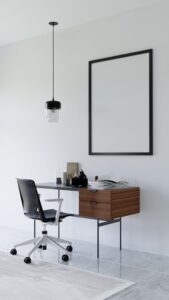
Keep only the essentials on your desk. A clean surface reduces distractions and gives you more space to work comfortably.
Use Storage Solutions
Incorporate shelves, drawers, or baskets to store supplies neatly. Label containers to make it easy to find what you need without creating mess.
Maintain Regular Tidying Habits
Set aside a few minutes at the end of each day to tidy your workspace. This small habit keeps your environment inviting and stress-free.
Invest in Comfortable Furniture
Ergonomic Chair and Desk
Choose a chair that supports good posture with adjustable height and lumbar support. Your desk should be at a height where your wrists rest comfortably when typing.
Footrest and Accessories
If your feet don’t touch the floor flat while sitting, use a footrest. Consider accessories like a wrist pad or a monitor stand to enhance comfort and ergonomics.
Personalize Your Space for Calm
Add Plants
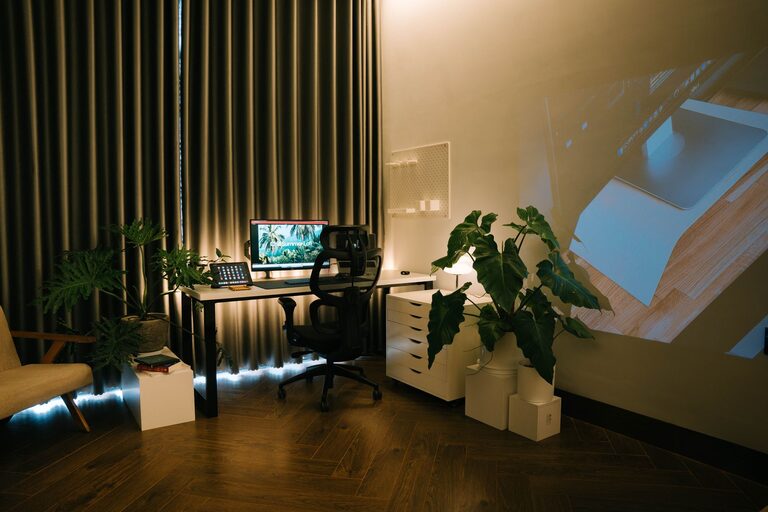
Indoor plants improve air quality and bring a touch of nature indoors. Low-maintenance plants like succulents or snake plants are great options.
Choose Calming Colors
Soft, neutral tones or shades of blue and green are known to create a relaxing atmosphere. Avoid overly bright or harsh colors that might cause strain.
Incorporate Soothing Scents
Use essential oil diffusers or candles with scents like lavender or eucalyptus to promote calmness.
Control Lighting and Sound
Layer Your Lighting
Combine ambient lighting (overhead lights) with task lighting (desk lamps). Adjustable lighting lets you adapt the brightness to your needs.
Manage Noise Levels
If external noise is a problem, try noise-canceling headphones or white noise machines. Alternatively, playing soft instrumental music can help improve concentration.
Keep Technology Organized
Manage Cables
Use cable organizers or clips to avoid tangled cords. This keeps your desk neat and reduces the risk of accidents.
Optimize Device Placement
Position your computer screen at eye level and about an arm’s length away to reduce eye strain. Keep frequently used gadgets within easy reach.
Take Breaks and Move
Working in a relaxing environment also means remembering to take breaks. Step away from your desk periodically to stretch or move around. This helps refresh your mind and reduces physical tension.
Final Thoughts
Creating a relaxing home workspace is about combining functionality with comfort. By choosing the right location, organizing thoughtfully, investing in ergonomic furniture, and personalizing your space, you can build an environment that supports both your wellbeing and productivity. Start with small changes and gradually enhance your workspace to find what works best for you. A calm, inviting workspace can make all the difference in how you feel and perform each day.