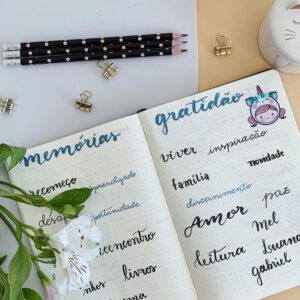

Journaling is a powerful yet simple habit that can enhance your mental clarity, boost creativity, and improve overall well-being. If you’ve been thinking about starting a daily journaling practice but don’t know where to begin, this beginner guide will walk you through the essential steps to make journaling a rewarding part of your day.
Why Journal Every Day?
Before diving into how to journal, it’s helpful to understand why daily journaling can be beneficial:
– Improves mental clarity: Writing your thoughts down can help organize your mind and reduce stress.
– Boosts creativity: Regular writing encourages new ideas and fresh perspectives.
– Tracks personal growth: Journals become a record of your progress, thoughts, and experiences.
– Enhances self-awareness: Reflecting on your day helps you understand yourself better.
– Supports goal setting: Writing about your goals daily keeps you motivated and focused.
Choosing the Right Tools for Journaling
You don’t need fancy equipment to start journaling. Here are some options to consider:
Paper Journals
– Notebooks: Simple lined or blank notebooks work well.
– Specialty journals: Guided journals with prompts for mindfulness or gratitude are available for beginners.
– Pens and pencils: Use your favorite writing instruments to make journaling enjoyable.
Digital Journals
– Apps: Many apps like Day One or Journey provide easy-to-use platforms with added features such as photo inserts.
– Documents: A simple word processing document or note-taking app can also work.
– Voice-to-text: If you prefer speaking, some apps offer this option for journaling on the go.
Setting Up a Comfortable Journaling Routine
Consistency is key in making journaling a habit. Here’s how to get started:
Pick a Time That Works for You
– Morning journaling helps set intentions for the day.
– Evening journaling promotes reflection before bedtime.
– Pick a time when you’re least likely to be interrupted.
Create a Relaxing Space
– Find a quiet corner with minimal distractions.
– Consider adding soothing elements like a candle, soft lighting, or relaxing music.
Start Small and Be Flexible
– Aim for 5 to 10 minutes a day to avoid feeling overwhelmed.
– Don’t stress about length or perfection—focus on getting started.
What to Write in Your Journal
As a beginner, you might wonder what exactly to write. Here are some ideas:
Daily Reflection
– Write about what happened during your day.
– Note your feelings and thoughts about events.
Gratitude Lists
– List 3 things you’re grateful for each day.
– This practice encourages positive thinking.
Goal Tracking
– Record your short- and long-term goals.
– Reflect on progress and challenges.
Creative Writing
– Use your journal for poems, stories, or sketches.
– Experimenting with creativity can be enjoyable and freeing.
Prompts to Get Started
If you’re not sure what to write, try these prompts:
– What made me smile today?
– What is one thing I learned today?
– What am I looking forward to tomorrow?
– What challenge did I face, and how did I handle it?
Tips to Maintain Your Daily Journaling Habit
Here are some strategies to help you stick with journaling:
– Set reminders: Use phone alarms or app notifications.
– Celebrate milestones: Reward yourself after a week or month of consistent journaling.
– Be forgiving: It’s okay to miss a day—just get back to it the next day.
– Mix it up: Change your prompts or format to keep things interesting.
– Share if comfortable: Sometimes sharing your journaling habit with a friend adds motivation.
Overcoming Common Challenges
Many beginners face obstacles such as writer’s block or feeling self-conscious. Here’s how to tackle them:
– Writer’s block: Don’t worry about grammar or style. Just write whatever comes to mind.
– Time constraints: Even writing a sentence or two is progress.
– Perfectionism: Your journal is for you alone; there is no right or wrong way.
– Privacy concerns: Keep your journal in a safe place or use password-protected apps.
Final Thoughts
Journaling every day can be a simple yet transformative practice. By choosing your tools, setting a comfortable routine, and exploring different writing styles, you’ll find a method that works uniquely for you. Remember, the goal is to create a space for reflection, creativity, and personal growth. So grab a pen or open your favorite app and start your journaling journey today!